
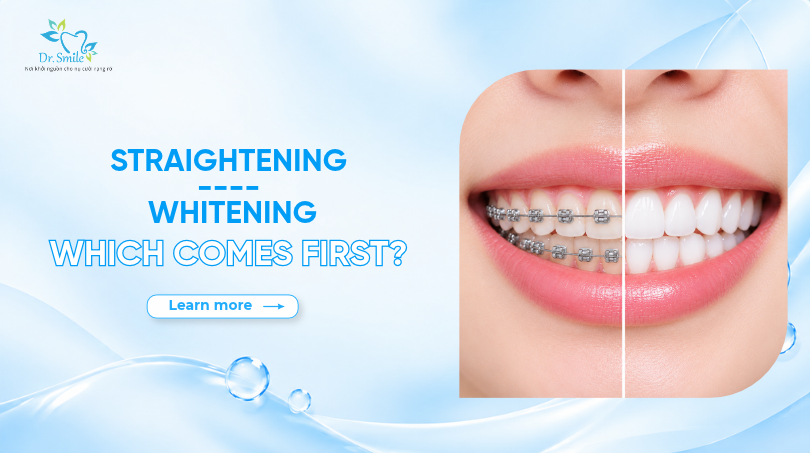
At Dr.Smile, teeth straightening and whitening are two important treatments that help patients enhance smile aesthetics and confidence. While orthodontic treatment corrects tooth alignment and bite issues, professional whitening improves tooth shade for a brighter appearance. Read on to discover which treatment should come first and how to achieve the best results for your smile!
Should You Straighten or Whiten Your Teeth First?
In most cases, teeth straightening should be completed before whitening. Orthodontic treatments, including braces and clear aligners, gradually move teeth into their desired positions. The treatment may take several months to a few years, depending on tooth misalignment, bite condition, and the chosen method. Once the teeth are properly aligned, the dentist can more accurately assess their natural shade.
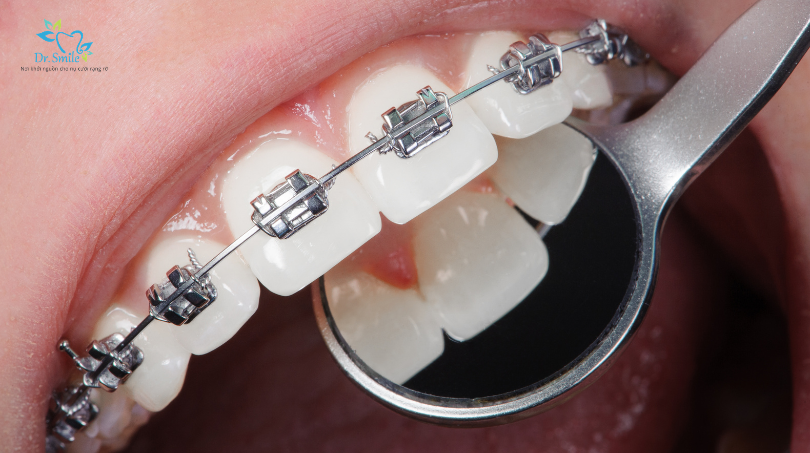
Whitening before braces may result in uneven tooth color, as the areas covered by brackets may not be exposed to whitening agents evenly. This can lead to noticeable shade differences after braces are removed. With clear aligners, this issue may be less pronounced, but teeth whitening during orthodontic treatment still requires careful consideration to ensure even results and treatment stability.
How Teeth Straightening and Whitening Work Together
Teeth straightening and whitening serve different purposes but complement each other effectively. Orthodontic treatment improves tooth alignment and bite function, while whitening enhances tooth color using specialized bleaching agents.
Teeth Straightening for Improved Alignment and Bite Function
Orthodontic treatment uses controlled forces to move teeth within the alveolar bone. This process involves bone remodeling, allowing teeth to gradually shift into their desired positions.
Common orthodontic options include:
- Metal or ceramic braces: Use brackets and archwires to guide tooth movement.
- Clear aligners: Use custom-designed trays to gradually reposition teeth.
- Orthodontic appliances: Help control tooth movement and correct complex bite issues.
Beyond improving aesthetics, teeth straightening can correct crowding, gaps, deep bites, underbites, and open bites. Properly aligned teeth are also easier to clean, helping reduce plaque buildup and the risk of periodontal disease.
Teeth Whitening for a Brighter Natural Tooth Shade
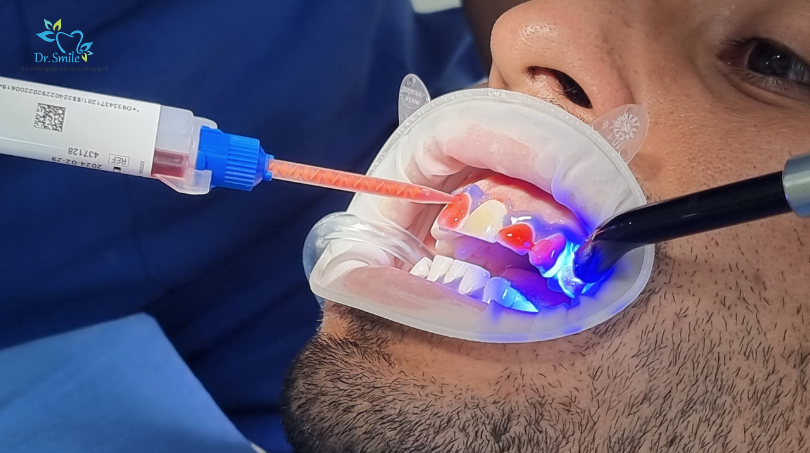
Teeth whitening is a cosmetic dental procedure that uses agents such as hydrogen peroxide or carbamide peroxide to brighten tooth color. These agents produce an oxidation reaction that breaks down stain-causing molecules within the tooth structure.
Tooth discoloration may result from several factors, including:
- Staining foods and beverages such as coffee, tea, and red wine.
- Smoking habits.
- Natural aging.
- Intrinsic discoloration caused by physiological or pathological factors.
Professional teeth whitening is performed under dental supervision to control the concentration of whitening agents and exposure time while minimizing soft tissue irritation. However, it does not change tooth shape, alignment, or bite structure.
Whitening agents also do not work the same way on crowns, veneers, or composite fillings. Therefore, existing restorations should be assessed to prevent uneven color results.
Combining Both Treatments for a Balanced Smile

When teeth straightening and whitening are combined at the appropriate time, patients can achieve more comprehensive aesthetic results. Orthodontic treatment establishes a foundation by improving tooth alignment and bite function, while whitening enhances the overall brightness of the smile.
White but misaligned teeth may still affect smile harmony. Similarly, straight teeth with yellow or discolored shades may not fully meet a patient’s aesthetic expectations.
This combination can be particularly beneficial for patients with mild to moderate crowding and extrinsic tooth stains. However, the treatment plan should be personalized according to enamel health, gum condition, bite alignment, and individual aesthetic goals.
Why Is Teeth Whitening Often Recommended After Orthodontic Treatment?
There are several reasons why dentists generally recommend teeth whitening after completing orthodontic treatment.
First, to ensure even tooth color. Brackets cover certain areas of the tooth surface, preventing whitening agents from reaching the enamel evenly. After braces are removed, the dentist can assess the overall tooth shade and determine the appropriate whitening approach.
Second, to reduce tooth sensitivity. During orthodontic treatment, some patients may experience sensitivity due to tooth movement or irritation of the surrounding tissues. Teeth whitening can also cause temporary sensitivity. Combining teeth straightening and whitening may increase discomfort, particularly in patients with sensitive teeth.
Third, to achieve more accurate aesthetic results. Once teeth have reached their desired positions, dentists can better assess the natural shade of each tooth group and select a suitable whitening method. This also allows patients to monitor color changes more effectively after treatment.
However, teeth whitening does not necessarily need to be performed immediately after braces removal. Dentists may recommend a waiting period to allow the gums to stabilize, assess enamel health, and address any issues such as white spot lesions caused by demineralization or tooth decay.
Can You Whiten Your Teeth While Wearing Braces or Aligners?
Teeth whitening during orthodontic treatment depends on the type of appliance and the patient’s oral health. Although it may be considered in certain cases, it is not suitable for everyone.
With traditional braces, whitening is generally not recommended because brackets cover parts of the enamel, preventing even exposure to whitening agents. This may result in uneven tooth color after braces are removed.

For clear aligners, patients may assume the trays can also be used for whitening. However, aligners are designed to move teeth, not to hold and distribute whitening agents properly. Improper use may cause gum irritation, increased tooth sensitivity, or damage to the aligner material.
In some cases, dentists may consider teeth straightening and whitening simultaneously using appropriate methods and appliances. However, patients should avoid using at-home whitening products during orthodontic treatment without professional evaluation of their enamel and gum health.
When Might Teeth Whitening Come Before Teeth Straightening?
Although teeth straightening before whitening is generally recommended, some patients may benefit from whitening first, especially if they have significant discoloration and are not ready for orthodontic treatment. Whitening may also be considered before selecting veneers or crowns to help determine a suitable restoration shade.
However, dentists must assess oral health and treat conditions such as tooth decay, gum inflammation, or enamel damage beforehand. Therefore, teeth whitening before orthodontic treatment should only be performed when clinically appropriate and based on an individualized treatment plan.
Planning Teeth Straightening and Whitening at Dr.Smile in Hanoi
Achieving a balanced smile requires a personalized teeth straightening and whitening plan based on each patient’s oral health. At Dr.Smile in Hanoi, patients can consult a dentist to improve tooth alignment, bite function, and tooth color.
The treatment planning process typically includes:
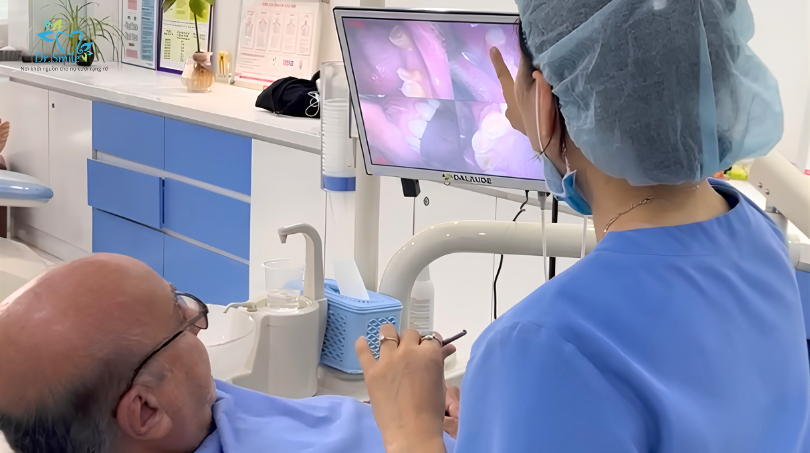
- Comprehensive Dental Examination: The dentist assesses the teeth, gums, enamel, bite, and issues such as decay or discoloration. Intraoral images, X-rays, or digital scans may be taken when necessary.
- Personalized Orthodontic Treatment Plan: Based on tooth misalignment and patient needs, the dentist selects a suitable orthodontic method to improve alignment, chewing function, and bite stability.
- Tooth Shade Assessment and Whitening: After orthodontic treatment, the dentist evaluates tooth shade, enamel health, and sensitivity to recommend an appropriate whitening method.
- Follow-up and Maintenance: Patients should follow oral hygiene instructions, wear retainers as prescribed, and attend regular check-ups. Avoiding staining foods and maintaining proper oral care can help preserve whitening results.

Teeth straightening and whitening are complementary treatments that can significantly enhance smile aesthetics. In most cases, completing orthodontic treatment before whitening is recommended to achieve more consistent tooth color and minimize potential sensitivity. Contact Dr.Smile today to schedule a consultation and discover the most suitable teeth straightening and whitening options for your smile.
DR.SMILE DENTAL CLINIC
Address: No. 41 Nui Truc Street, Giang Vo Ward, Hanoi City, Vietnam
Hotline: 0966692286
Email: drsmile.vn@gmail.com
Facebook: facebook.com/www.Dr.Smile
Website: drsmiledentalcare.com
Instagram: instagram.com/drsmilevn