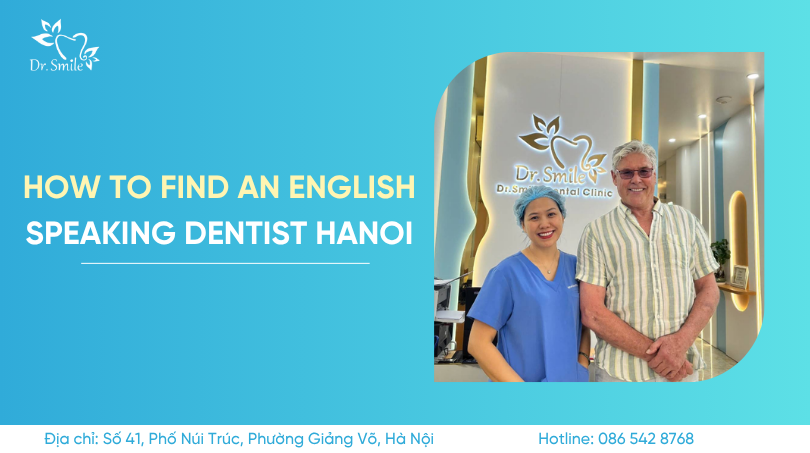
Choosing an English speaking dentist Hanoi has become an important consideration for Australian travelers seeking dental treatment overseas. With rising healthcare expenses, growing interest in international healthcare, and easier access to online consultations, more Australians are researching dental clinics beyond their home country. Vietnam, particularly Hanoi, has attracted attention for its combination of dental services, modern clinical facilities, and opportunities to explore a vibrant destination.
Why do australian patients consider traveling abroad for dental care?
Australian patients may consider overseas dental treatment for several reasons, including treatment affordability, appointment availability, and the opportunity to combine healthcare with international travel. Depending on their individual needs, patients may research Vietnam for procedures such as dental crowns, veneers, implants, and restorative dentistry.
The decision is rarely based on price alone. Many Australians want to understand the complete treatment journey before committing to a clinic. They may compare consultation arrangements, the dentist’s experience, available technology, expected recovery time, and the accessibility of follow-up care.
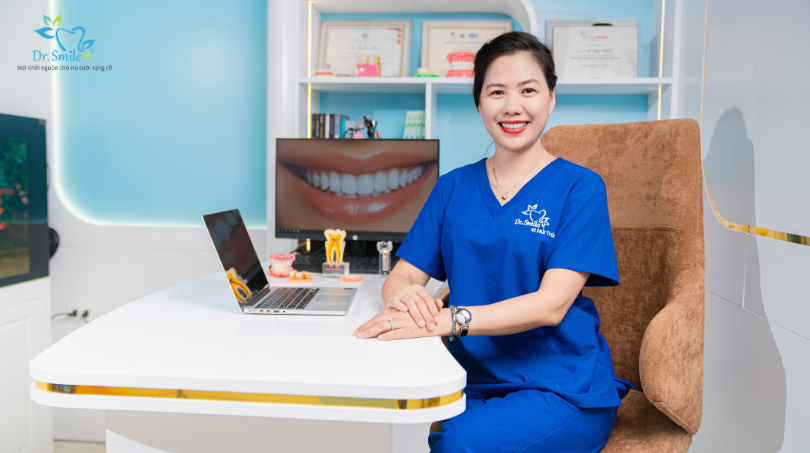
Finding an English speaking dentist Hanoi is particularly valuable for patients unfamiliar with Vietnam’s healthcare system. Dental treatment requires detailed discussions about symptoms, medical history, treatment alternatives, potential complications, and expected outcomes. Patients should feel comfortable asking questions and expressing concerns without worrying about language barriers.
An English-speaking dental team can help international visitors understand:
- The diagnosis and recommended treatment options.
- The benefits, limitations, and risks of each procedure.
- The number of appointments likely to be required.
- The estimated total cost and any possible additional fees.
- Post-treatment instructions and arrangements for follow-up care.
Another important consideration is convenience. Some patients prefer to arrange an initial consultation online before traveling, allowing them to discuss their concerns and determine whether an in-person examination may be appropriate.
Nevertheless, dental tourism is not suitable for every situation. Complex procedures may require several visits, and unexpected complications can extend a patient’s stay. Australians should evaluate the clinical requirements of their treatment before booking flights or accommodation.
How do treatment costs compare between vietnam and australia?
Cost is one of the main factors influencing Australian patients who research an English speaking dentist Hanoi. Dental treatment prices can vary considerably between countries, clinics, procedures, and individual clinical circumstances. Vietnam may offer lower quoted fees for certain treatments, but patients should compare complete treatment plans rather than relying on advertised starting prices.
>>See more: Dr.Smile Dental Care
For example, a dental implant may involve several separate components, including diagnostic imaging, implant placement, an abutment, and a final crown. Additional procedures, such as bone grafting, may be necessary in some cases. A quote that covers only one component will not accurately represent the total expense.
The same principle applies to veneers and crowns. The final price may depend on the material, the number of teeth treated, laboratory costs, preparatory procedures, and the complexity of the case.
Before choosing a clinic, Australian patients should request an itemized estimate covering:
- Initial examination and diagnostic imaging.
- The proposed procedure and materials.
- Temporary restorations, if required.
- Medication and any additional clinical procedures.
- Follow-up appointments and potential adjustments.
Travel expenses must also be included in the comparison. Flights, accommodation, meals, local transportation, travel insurance, and additional nights can significantly affect the overall budget. Patients should also consider lost income or leave from work.
An English speaking dentist Hanoi should be able to explain the proposed treatment and its estimated costs in understandable language. Patients should ask whether the quotation is preliminary or final, which circumstances could increase the price, and how payment arrangements work.
Australian patients should also investigate whether their private health insurance provides any overseas dental benefits. Coverage varies by policy, and treatment performed overseas may not be covered. It is advisable to obtain written confirmation from the insurer before making financial commitments.
Ultimately, the most useful comparison considers total cost alongside clinical suitability, professional experience, materials, communication, and aftercare. A lower initial quote does not automatically represent better value if essential services are excluded or follow-up treatment becomes difficult to arrange.
How do quality of care and technology compare?
Clinical quality should be a priority when comparing dental care in Australia and Vietnam. Neither country should be judged solely by its location. Standards and patient experiences vary between individual clinics, so Australians should investigate the specific dental provider they intend to visit.
A reliable English speaking dentist Hanoi should explain the diagnostic process, present appropriate treatment alternatives, and discuss the expected benefits and limitations of each option. Patients should be encouraged to make informed decisions rather than feel pressured into expensive or irreversible procedures.
Technology can support more accurate diagnosis and treatment planning. Depending on the clinic and procedure, available equipment may include digital dental imaging, intraoral scanners, digital radiography, and computer-assisted planning tools.
These technologies can help dentists assess oral structures, communicate treatment plans, and design restorations. However, modern equipment alone does not guarantee excellent outcomes. The dentist’s qualifications, clinical judgment, practical experience, infection-control procedures, and the suitability of the treatment plan remain essential.
Before booking, Australian patients should consider asking the clinic the following questions:
- What qualifications and relevant clinical experience does the treating dentist have?
- Which diagnostic tests are necessary for the proposed treatment?
- What materials will be used, and can their specifications be provided?
- What sterilization and infection-prevention procedures are followed?
- What are the possible complications and alternative treatments?
- How will the clinic manage adjustments, discomfort, or complications after treatment?
Patients should also be cautious about relying exclusively on online reviews, social media photographs, or before-and-after images. These can provide useful context but may not reflect every patient’s experience or demonstrate long-term results.
An English speaking dentist Hanoi should provide realistic expectations instead of promising perfect results. For cosmetic treatments, discussions should include tooth preparation, durability, maintenance, and the possibility of future replacement. For implants, patients should understand that healing and restoration may require multiple stages over several months.
Clear documentation is equally important. Australian patients should request copies of their examination findings, imaging where available, treatment records, material information, and post-treatment instructions. These documents can help an Australian dentist continue care after the patient returns home.
What should australian patients know before traveling to vietnam?
Planning is essential when arranging dental treatment overseas. Before choosing an English speaking dentist Hanoi, Australian patients should understand the treatment timeline and determine whether their available travel dates allow sufficient time for examinations, procedures, recovery, and follow-up appointments.
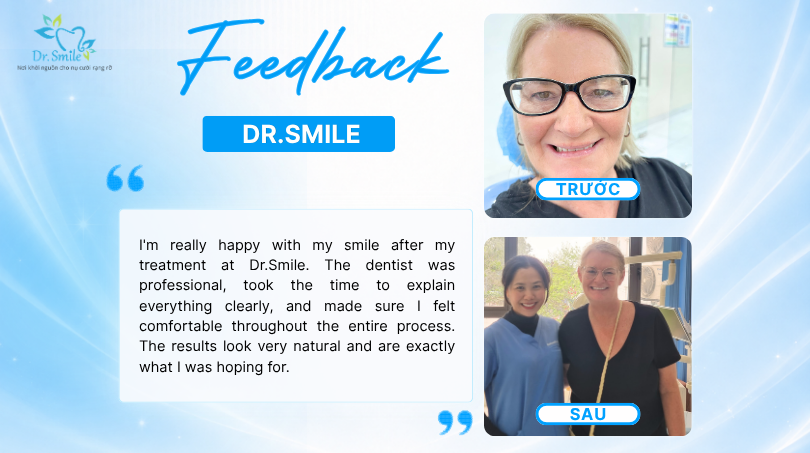
Some treatments can be completed within a relatively short visit, while others require multiple stages. Dental implants, for example, commonly involve a healing period before the final restoration can be fitted. A clinic should not recommend an unrealistic schedule simply to accommodate a tourist itinerary.
A practical preparation plan includes the following steps.
1. Arrange a preliminary consultation.
Contact the clinic before departure and explain your dental concerns, medical history, current medications, and previous treatments. Photographs or existing dental records may help with an initial discussion, although they cannot replace a proper clinical examination.
2. Confirm the treatment schedule.
Ask how many appointments may be needed, how much time should separate them, and whether additional days should be reserved in case adjustments or unexpected clinical needs arise.
3. Prepare your travel documents and budget.
Check current entry requirements for your nationality, passport validity, travel insurance conditions, and transportation arrangements. Keep a financial reserve for unexpected expenses or an extended stay.
4. Discuss risks and aftercare.
Ask what recovery may involve, which symptoms require urgent attention, and how the clinic provides assistance after treatment. Before leaving Australia, consider discussing your plans with your regular dentist, particularly if you have complex dental needs.
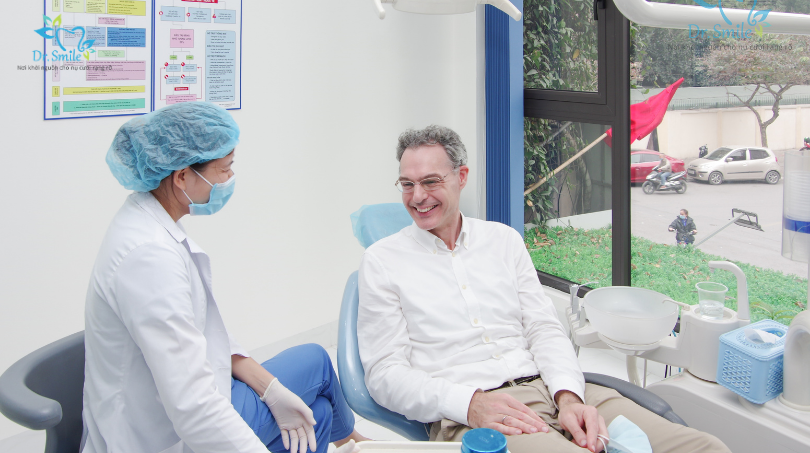
5. Plan follow-up care at home.
Overseas dental treatment does not end when you board your return flight. Arrange to share treatment records with your Australian dentist and clarify how any necessary adjustments or complications would be handled. Ask the overseas clinic about its policies for follow-up, repairs, and warranties, including any conditions or exclusions.
Patients should also consider the practical implications of dental tourism. If a restoration breaks or an implant-related concern develops after returning home, local treatment may involve additional costs. Travel insurance may exclude planned dental procedures or complications associated with elective treatment, so policy terms must be reviewed carefully.
Finding an English speaking dentist Hanoi is therefore part of a broader decision-making process. Good communication, realistic scheduling, transparent documentation, and an achievable aftercare plan help patients prepare for treatment more responsibly.
Discover why patients choose dr. smile in hanoi, vietnam
For Australians researching an English speaking dentist Hanoi, Dr. Smile is a dental clinic to consider when exploring treatment options in Vietnam. International patients can benefit from prioritizing a clinic that communicates clearly, explains clinical recommendations, and takes time to discuss individual dental concerns.
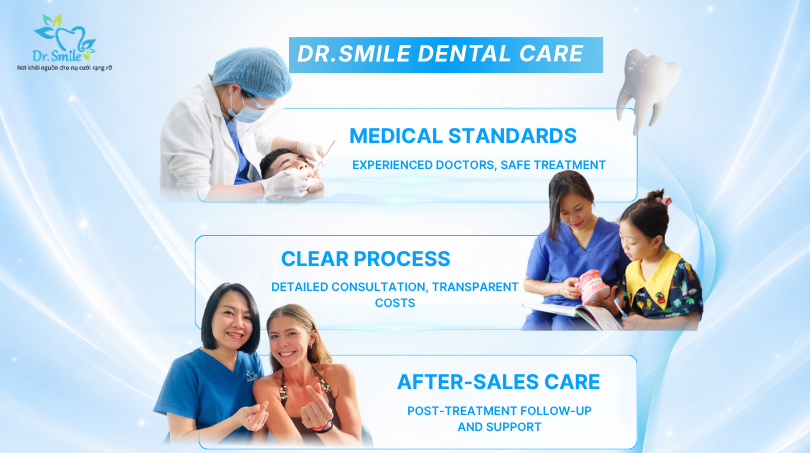
Before committing to treatment at Dr. Smile, patients should arrange a consultation to review their oral health needs, discuss available procedures, and clarify the expected treatment timeline. It is also sensible to ask about the treating dentist’s qualifications, the technology relevant to the planned procedure, itemized pricing, and the arrangements available for post-treatment support.
Patients considering cosmetic dentistry, crowns, veneers, implants, or other restorative procedures should receive a personalized assessment rather than a recommendation based solely on photographs or an online estimate. The appropriate treatment depends on oral health, bone and gum conditions, existing restorations, personal preferences, and long-term maintenance requirements.
An English speaking dentist Hanoi can make these discussions more accessible to Australian visitors by helping them understand technical information, ask follow-up questions, and review alternatives before making a decision. However, patients should independently verify the clinic’s services, professional credentials, and current policies before booking.
Dental tourism can offer an opportunity to explore treatment options outside Australia, but successful planning requires more than finding an attractive price. Clinical suitability, informed consent, realistic expectations, and continuity of care should remain central to the process.
By researching carefully and communicating openly with the dental team, Australian patients can approach their dental journey in Hanoi with a clearer understanding of the opportunities, responsibilities, and practical considerations involved. Dr. Smile can be included in that research as patients compare providers and determine which clinic best meets their individual needs.
DR.SMILE DENTAL CLINIC
Address: No. 41 Nui Truc Street, Giang Vo Ward, Hanoi City, Vietnam
Hotline:0966692286
Email: drsmile.vn@gmail.com
Facebook: facebook.com/www.Dr.Smile
Website: drsmiledentalcare.com
Instagram: instagram.com/drsmilevn