Choosing a dental clinic in another country requires more than comparing prices and reading online reviews. For international patients, finding reliable dental care means understanding clinical qualifications, sterilization procedures, treatment planning, communication, and long-term follow-up. As Hanoi continues to attract expats, overseas visitors, and dental tourists, international dental standards Hanoi patients expect have become increasingly important.
Why do international standards matter when choosing a clinic abroad?
When seeking dental treatment overseas, patients face challenges that may not arise when visiting their regular dentist. They might be unfamiliar with local healthcare regulations, have limited time in Vietnam, or need to coordinate treatment with flights and accommodation. These concerns make international dental standards Hanoi clinics demonstrate particularly relevant.
>>See more: Dr.Smile dental care
Safety matters more than attractive prices
Affordable treatment can be appealing, especially for patients comparing dental costs across countries. Nevertheless, the lowest price does not automatically represent the best value. Patients should understand what a quoted treatment includes, which materials will be used, and whether additional appointments or procedures might be necessary.
A clinic that prioritizes recognized clinical principles should explain potential risks, discuss alternative treatments, and provide realistic expectations. This is especially important for dental implants, crowns, veneers, and other procedures that may require multiple visits.
Consistent care builds patient confidence
International dental standards Hanoi providers should demonstrate involve more than the final appearance of a smile. They also concern how consistently a clinic assesses patients, documents treatment, manages complications, and communicates throughout the process.
Patients should expect a comprehensive examination before treatment rather than a recommendation based solely on photographs or a brief conversation.
Important considerations include:
- A thorough assessment of teeth, gums, and overall oral health.
- Diagnostic imaging when clinically indicated.
- Clear explanations of the proposed treatment and alternatives.
- Transparent pricing and written treatment estimates.
- Appropriate follow-up instructions and arrangements for urgent concerns.
These measures help patients judge whether a clinic is organized around patient welfare instead of focusing exclusively on selling procedures.
What certifications and training indicate international standards?
Professional qualifications are among the first things international patients should investigate. However, understanding the difference between a dentist’s individual credentials and a clinic’s institutional accreditation is essential.
Verify professional registration and clinical experience
Dentists practicing in Vietnam should hold the professional qualifications and practice authorization required by applicable Vietnamese regulations. Patients can ask about a dentist’s education, clinical experience, professional registration, and specific training relevant to the procedure being considered.
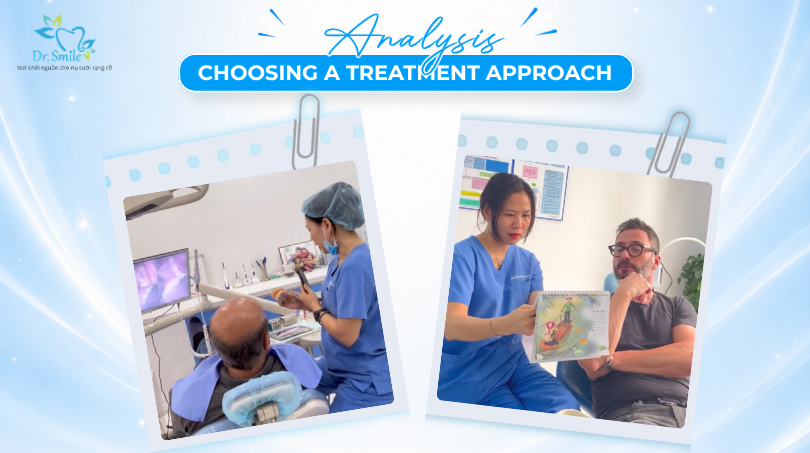
For example, implant treatment requires knowledge of oral surgery, bone assessment, implant placement, and restorative planning. Cosmetic procedures require an understanding of dental anatomy, bite function, tooth preparation, and aesthetic design.
International dental standards Hanoi patients seek should therefore include evidence that the treating dentist has appropriate training for the planned procedure, not simply general experience in dentistry.
Useful questions include:
- What qualifications does the treating dentist hold?
- How much experience does the dentist have with this particular procedure?
- Has the dentist completed relevant postgraduate education or continuing professional development?
- Who will manage the case if additional treatment or specialist input becomes necessary?
Distinguish genuine accreditation from marketing claims
Some healthcare organizations pursue internationally recognized quality-management or healthcare accreditation programs. However, not every clinic holds such accreditation, and a certificate covering one area does not automatically establish that every clinical service meets the same requirements.
Patients should ask for the exact name of any certification, the organization that issued it, its scope, and its validity period. Where possible, verify the information through the issuing organization’s official records.
A dentist attending an international course is not the same as a clinic receiving international accreditation. Similarly, purchasing advanced dental equipment does not independently demonstrate clinical excellence.
The most useful approach is to assess qualifications, documented procedures, clinical explanations, and relevant independent credentials together.
What hygiene and safety protocols should a clinic follow?
Infection prevention is a fundamental component of international dental standards Hanoi patients should evaluate before beginning treatment. Dental procedures involve close contact with saliva, blood, instruments, and oral tissues, making systematic hygiene practices essential.
Instrument sterilization and infection control
Clinics should follow applicable Vietnamese requirements and evidence-based infection-prevention guidance. Reusable instruments that penetrate soft tissue or contact normally sterile areas should be appropriately cleaned, packaged, sterilized, and stored before use.
Patients can look for practical signs of an organized infection-control system, including:
- Appropriate sterilization equipment and validated sterilization cycles.
- Procedures for cleaning and disinfecting instruments before sterilization.
- Proper storage of sterilized instruments in intact packaging.
- Single-use items where indicated, with safe disposal after use.
- Hand hygiene, suitable gloves, masks, and protective equipment.
- Disinfection of dental chairs and clinical surfaces between patients.
- Appropriate handling and disposal of clinical waste and sharps.
Patients do not need to inspect every technical detail themselves. However, a reputable clinic should be willing to explain its procedures and answer reasonable questions without dismissing concerns.
Diagnostic safety and informed consent
Safety also extends beyond cleanliness. X-rays and other diagnostic investigations should be selected according to clinical need, with appropriate radiation protection and measures to minimize unnecessary exposure.
Before treatment, patients should receive understandable information about the diagnosis, expected benefits, potential complications, alternatives, and likely costs. Written consent should be obtained when required and appropriate to the procedure.
For invasive treatment, the clinic should also explain anesthesia, post-treatment discomfort, warning signs, and how patients can contact the dental team if problems arise.
These practical details demonstrate how international dental standards Hanoi clinics aim to uphold can influence the entire patient journey, from the first examination to recovery.
How can international patients verify a clinic’s standards?
Online research is often the starting point for international patients. Yet websites, social media posts, and testimonials rarely provide a complete picture of clinical quality. A more reliable approach combines documentary evidence, direct questions, and a careful consultation.

Look beyond star ratings and before-and-after photographs
Reviews can reveal useful information about communication, waiting times, staff behavior, and the overall patient experience. Before-and-after photographs may also illustrate a dentist’s aesthetic approach.
Nevertheless, neither proves that a clinic consistently follows appropriate clinical protocols. Photos may not show the patient’s original oral health, treatment limitations, or long-term outcome.
When evaluating international dental standards Hanoi providers advertise, look for specific, verifiable information rather than broad promises such as “world-class dentistry” or “the best treatment.”
Check whether the clinic explains its services, identifies its dental professionals, describes treatment processes, and provides clear contact information. Ask for evidence supporting any accreditation claims that influence your decision.
Use your consultation as a quality check
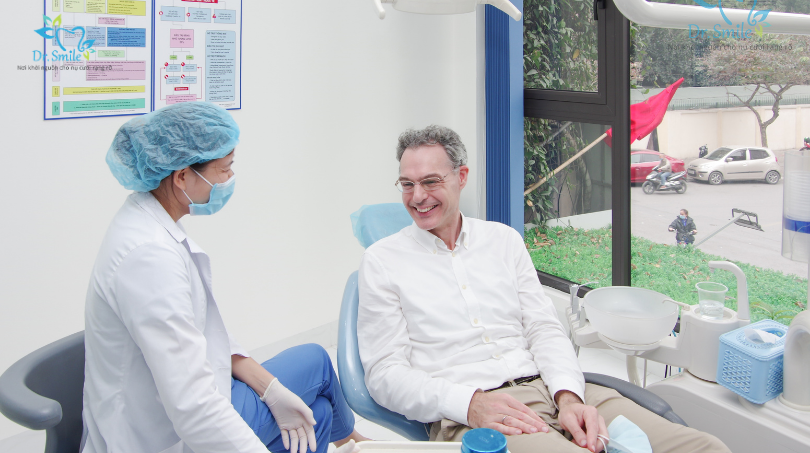
A consultation offers an opportunity to assess the clinic’s communication and decision-making before committing to treatment.
Consider asking:
- What examination and diagnostic tests do I need, and why?
- What are my treatment options, including less invasive alternatives?
- Which dentist will perform each stage of treatment?
- What materials will be used, and can I receive their specifications?
- What is included in the estimate, and what could create additional costs?
- How will my records and treatment details be documented?
- What follow-up care is available if I return to my home country?
For patients with limited time in Hanoi, scheduling deserves particular attention. Some procedures require healing periods, laboratory work, or several appointments. A clinic should explain the realistic timeline rather than promise that every treatment can be completed during a short visit.
Patients should also ask how dental records, diagnostic images, prescriptions, and aftercare instructions can be provided for continuity of care.
Ultimately, international dental standards Hanoi patients can trust are reflected in a clinic’s willingness to answer questions, acknowledge limitations, and support informed decisions.
Internationally-minded dental care at Dr. Smile in Hanoi
For international patients exploring dental care in Vietnam, Dr. Smile offers a Hanoi-based option to investigate for preventive dentistry, cosmetic smile enhancement, restorative treatments, and dental implants. Its relevance to international dental standards Hanoi patients are looking for should be assessed through the same practical criteria used to evaluate any dental provider.
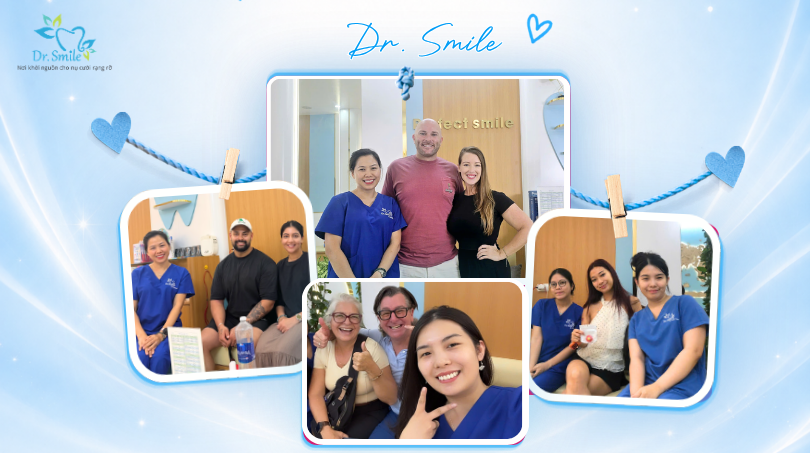
A modern clinical environment and a broad range of services can be useful starting points, but patients should also examine professional qualifications, hygiene procedures, treatment documentation, and the clarity of clinical explanations.
Personalized treatment begins with a proper assessment
At Dr. Smile, prospective patients can use an initial consultation to discuss their oral health concerns, aesthetic goals, and expectations for treatment. Before agreeing to a procedure, patients should ask for an individualized assessment and an explanation of the available options.
This is particularly important for cosmetic dentistry. Veneers and crowns should not be recommended on appearance alone; the dentist should consider enamel preservation, gum health, bite alignment, and the long-term maintenance of the restoration.
For dental implants, patients should understand the assessment process, expected healing period, possible risks, and follow-up requirements.
Clear communication supports international patients
International patients benefit from straightforward explanations, written estimates, and accessible treatment records. If language is a concern, confirm in advance whether the clinic can communicate comfortably in English and explain technical information in terms you understand.
Patients should also clarify the availability of follow-up appointments, emergency contact arrangements, and documentation to share with a dentist in their home country.
When assessing Dr. Smile against international dental standards Hanoi patients expect, ask specific questions about dentist credentials, sterilization protocols, relevant certifications, materials, and treatment planning. Verify any formal accreditation independently rather than assuming it from promotional statements.
The goal is not simply to find a clinic that advertises international standards, but to identify a dental team that can demonstrate responsible clinical practices and provide care appropriate to your individual needs.
Choosing dental care with confidence
International dental standards Hanoi patients should look for encompass professional competence, infection prevention, informed consent, transparent pricing, and continuity of care. By verifying credentials, asking detailed questions, and evaluating the consultation experience, international patients can make better-informed decisions about dental treatment in Vietnam.
Dr. Smile can be included in that evaluation as you explore dental care in Hanoi. Take time to discuss your needs, request clear treatment information, and verify the relevant qualifications and safety practices before proceeding. A confident dental decision begins with evidence, open communication, and a treatment plan that puts your oral health first.
DR.SMILE DENTAL CLINIC
Address: No. 41 Nui Truc Street, Giang Vo Ward, Hanoi City, Vietnam
Hotline:0966692286
Email: drsmile.vn@gmail.com
Facebook: facebook.com/www.Dr.Smile
Website: drsmiledentalcare.com
Instagram: instagram.com/drsmilevn