
A beautiful smile is not necessarily the whitest or most perfectly aligned one. For many patients, the real goal is a smile that looks natural, feels comfortable, and fits their facial features. This is why porcelain crown natural look hanoi has become an important consideration for people exploring cosmetic and restorative dentistry in Hanoi.
Porcelain crowns are designed to restore damaged teeth while recreating the appearance of natural enamel. However, achieving convincing results involves more than choosing a white ceramic material. Tooth proportions, color gradients, surface texture, gum contours, and the dentist’s attention to detail all influence the final appearance.
What makes a cosmetic crown look natural?
When evaluating porcelain crown natural look hanoi treatments, patients should understand that natural appearance depends on several elements working together. A crown may be made from high-quality porcelain, but it can still look artificial if its shape, color, or proportions do not match the surrounding teeth.
>>See more: Porcelain veneer with 4.0 Technology
Natural tooth color and translucency
Natural teeth are rarely a single, uniform shade. Their appearance changes subtly from the gumline to the biting edge, with variations in brightness, translucency, and color intensity.
A realistic porcelain crown should reflect these characteristics as closely as possible. The cervical area near the gumline may appear slightly darker or warmer, while the incisal edge of a front tooth can allow more light to pass through.
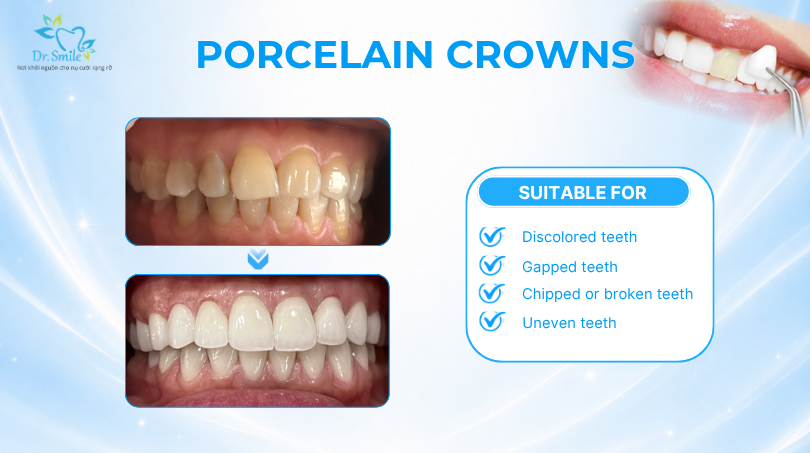
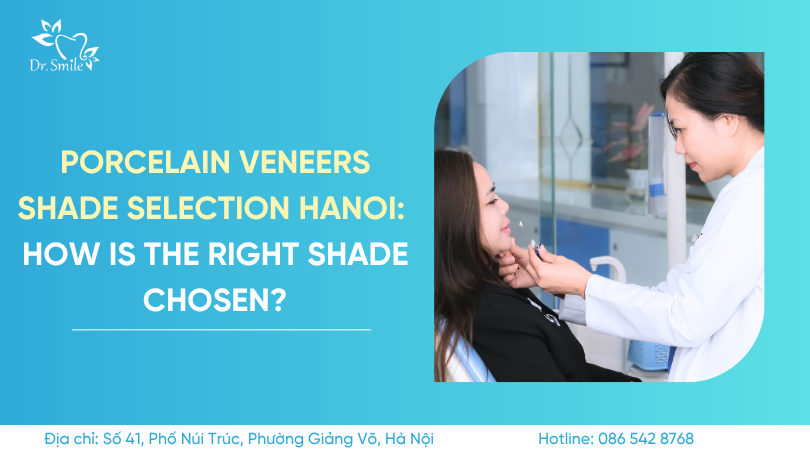
When planning porcelain crown natural look hanoi treatment, shade selection should consider the patient’s existing teeth rather than simply choosing the whitest available option.
Important considerations include:
- Base shade: The overall color should harmonize with adjacent teeth.
- Translucency: Light transmission helps recreate the depth of natural enamel.
- Color gradients: Subtle differences across the crown prevent a flat, artificial appearance.
- Surface texture: Fine contours and texture influence how light reflects from the tooth.
Tooth shape and facial harmony
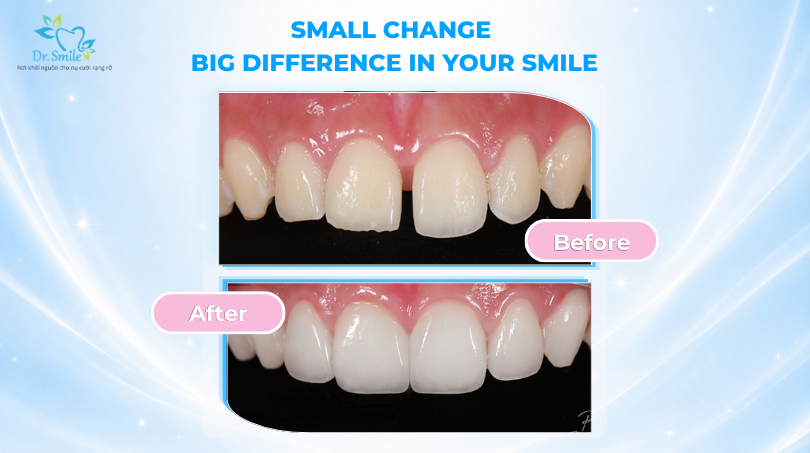
A natural-looking crown must also suit the patient’s smile. The width, length, contour, and position of the restored tooth should complement nearby teeth and the overall facial appearance.
For example, an overly square crown may look out of place beside naturally rounded teeth. A crown that is too long can disrupt the smile line, while excessive bulk near the gumline may make the restoration appear unnatural.
Patients considering porcelain crown natural look hanoi services should discuss whether the proposed crown will blend with their existing smile or form part of a broader cosmetic treatment plan.
The objective is not to make every tooth identical. Natural smiles contain subtle differences, and preserving appropriate individual characteristics can create a more believable result.
How does modern porcelain technology improve realism?
Modern dental materials and laboratory techniques have expanded the possibilities for creating realistic restorations. Nevertheless, the final appearance depends on selecting the appropriate material for the tooth’s location, functional demands, and aesthetic requirements.
Choosing the right porcelain material
Different ceramic materials offer different combinations of translucency, strength, and optical properties. Lithium disilicate and zirconia are two common options, although their characteristics vary according to the specific formulation and manufacturing process.
Lithium disilicate can provide attractive translucency and is frequently considered for aesthetic restorations, particularly in visible areas. Zirconia offers high strength, with some newer formulations designed to provide improved translucency compared with more opaque varieties.
Neither material is automatically the best choice for every patient. A dentist must evaluate factors such as the amount of remaining tooth structure, bite forces, tooth position, and the desired appearance.
For porcelain crown natural look hanoi treatment, material selection should balance visual realism with durability and clinical suitability.
Digital design and precise fabrication
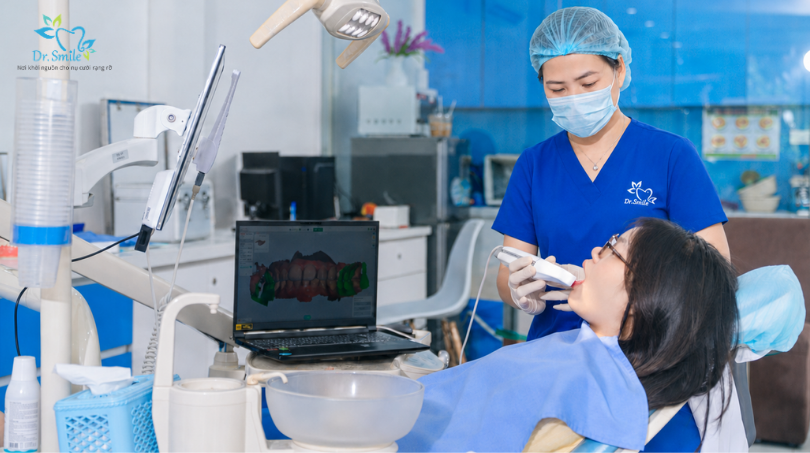
Digital dentistry can help improve communication and accuracy during crown planning. Intraoral scanners may capture detailed digital impressions, reducing the need for traditional impression materials in suitable cases.
Computer-aided design and manufacturing can then support the production of crowns with carefully planned contours and dimensions.
These technologies may help the dental team assess:
- The crown’s fit and relationship with neighboring teeth.
- The shape and proportions of the restoration.
- Contact points that influence comfort and function.
- The relationship between the crown and the patient’s bite.
Digital workflows do not guarantee a perfect aesthetic result, but they can provide useful tools for planning and fabrication.
Why lighting matters during shade matching
Tooth color can appear different under daylight, indoor lighting, and dental operatory lights. A shade that looks suitable in one environment may seem too bright or too warm in another.
A careful assessment can involve examining natural teeth under appropriate lighting and comparing several shade options. Photographs and laboratory communication may also support more consistent results.
Patients researching porcelain crown natural look hanoi should ask how shade matching will be performed and whether the dental team will consider the color of adjacent teeth before finalizing the restoration.
What role does the dentist’s skill play in natural results?
Even excellent dental materials require thoughtful planning and precise clinical execution. The dentist’s assessment, preparation technique, communication with the dental laboratory, and final adjustments all contribute to the appearance and performance of a porcelain crown.
Preparation should preserve healthy tooth structure
Before placing a crown, the dentist evaluates the condition of the tooth, including existing restorations, cracks, decay, and the amount of healthy structure remaining.
Crown preparation generally involves reshaping the tooth to create sufficient space for the restoration. The amount of reduction depends on the material, the tooth’s condition, and the treatment plan.
A well-planned preparation helps the crown fit properly without creating unnecessary bulk. It can also support healthy gum relationships and improve the overall appearance.
However, a crown is not always the most conservative option. Depending on the clinical situation, alternatives such as a filling, inlay, onlay, or veneer may be more appropriate. The dentist should explain the benefits and limitations of each suitable option.
Small details make a visible difference
Natural-looking results often depend on details that patients may not initially notice during a consultation.
These include the transition between the crown and the gumline, the contour of the tooth near neighboring teeth, the way light reflects from the surface, and the relationship between the upper and lower teeth when biting.
For porcelain crown natural look hanoi treatment, the dentist should evaluate both appearance and function. A crown that looks attractive but interferes with the bite may cause discomfort or contribute to excessive loading.
The final fitting appointment is therefore important. The dentist checks the crown’s fit, contacts, bite, and appearance before confirming that it is suitable for placement.
Communication should continue throughout treatment
Patients should feel comfortable expressing their preferences and asking questions. Some prefer a bright, polished smile, while others want their restorations to blend almost imperceptibly with existing teeth.
Sharing photographs of natural-looking smiles can help communicate preferences, although the dentist must adapt those expectations to the patient’s actual oral condition.
For international patients receiving porcelain crown natural look hanoi treatment, clear explanations about treatment stages, laboratory fabrication, expected appointments, and follow-up care are especially valuable when planning around travel schedules.
What should you discuss with your dentist about aesthetics?
A successful cosmetic restoration begins with a realistic conversation. Before treatment, patients should understand what can be achieved, what limitations may apply, and how the crown will fit into their long-term oral health plan.
Consider asking these questions during your consultation:
- Which material is most suitable for my tooth? Ask how the available ceramic options compare in appearance, strength, and suitability for your bite.
- How will you match my existing teeth? Discuss shade selection, translucency, surface texture, and whether photographs will be used for laboratory communication.
- Can I review the proposed shape? Ask whether digital planning, temporary restorations, or other suitable previews can help you understand the intended result.
- Will the crown look different under various lighting conditions? Discuss how the team evaluates shade and color harmony.
- How will the crown affect my bite? Confirm that function and comfort will be assessed alongside appearance.
- What maintenance will it require? Ask about cleaning, regular examinations, possible repairs, and factors that may affect longevity.
- What happens if the final shade or shape is not what I expected? Understand the review process and any limitations before approving fabrication or final placement.
These questions can help patients make informed decisions instead of relying entirely on promotional photographs or promises of a perfect smile.
It is also important to remember that crowns cannot correct every dental concern. Gum disease, untreated decay, or bite problems may need attention before restorative treatment begins. A comprehensive examination allows the dentist to identify these issues and recommend an appropriate sequence of care.
Natural-looking porcelain crowns at dr. smile in hanoi
For patients exploring porcelain crown natural look hanoi options, Dr. Smile provides a point of consultation for discussing restorative and cosmetic dental needs in Hanoi. Patients can explain their concerns, learn about suitable treatment approaches, and ask how aesthetic goals may be balanced with oral health.

A personalized consultation should begin with an assessment of the affected tooth and surrounding teeth. The dental team can then discuss material options, the proposed crown shape, shade selection, preparation requirements, and the expected treatment process.
At Dr. Smile, patients considering porcelain crown natural look hanoi treatment should communicate their expectations clearly, particularly if they want a restoration that blends with existing teeth rather than creating a noticeably brighter appearance.
Several practical factors deserve attention before proceeding:
- Individual treatment planning: The restoration should reflect the condition of the tooth and the patient’s aesthetic priorities.
- Material suitability: Ceramic selection should account for both appearance and functional demands.
- Clear communication: Patients should understand the proposed procedure, costs, appointments, and aftercare.
- Long-term maintenance: Regular dental examinations and good oral hygiene help protect the crown and the surrounding tissues.
Porcelain crowns can offer an effective way to restore teeth that are damaged, weakened, or significantly restored, but their suitability depends on a professional assessment. Patients should also understand that the lifespan of a crown varies according to oral hygiene, bite forces, material, and other individual factors.
Ultimately, porcelain crown natural look hanoi treatment is about achieving a balance between aesthetics, comfort, and function. The most successful result is not necessarily the whitest or most symmetrical crown, but one that fits naturally into the patient’s smile while meeting the tooth’s clinical needs.
With careful planning, appropriate materials, and clear communication, Dr. Smile can help patients in Hanoi explore their options for porcelain crown treatment and work toward a healthy, confident, natural-looking smile.
DR.SMILE DENTAL CLINIC
Address: No. 41 Nui Truc Street, Giang Vo Ward, Hanoi City, Vietnam
Hotline:0966692286
Email: drsmile.vn@gmail.com
Facebook: facebook.com/www.Dr.Smile
Website: drsmiledentalcare.com
Instagram: instagram.com/drsmilevn