
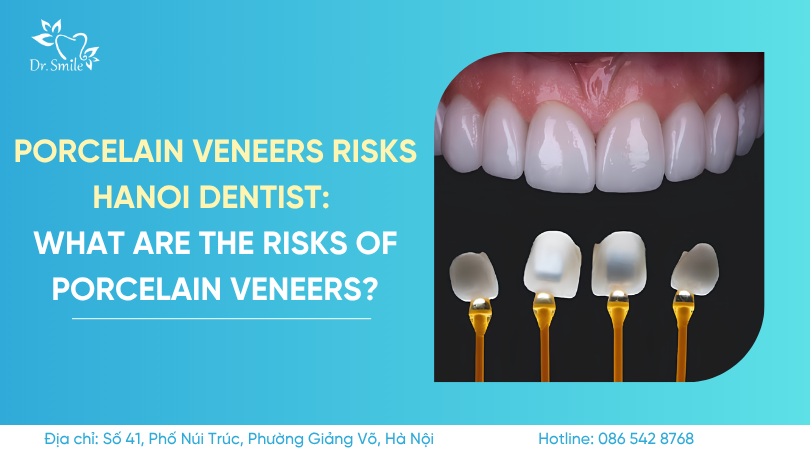
Porcelain veneers are a popular cosmetic dental treatment for people who want to improve the color, shape, and symmetry of their teeth. For international patients and local residents in Hanoi, veneers can offer a way to achieve a brighter smile while maintaining a natural appearance. However, understanding porcelain veneers risks is just as important as knowing their aesthetic benefits.
Before scheduling an appointment, patients should understand that veneers are not suitable for every smile. The procedure may involve removing a small amount of enamel, and the results require long-term maintenance. Choosing a qualified porcelain veneers risks Hanoi dentist specialist can help patients understand the treatment process, evaluate their oral health, and make informed decisions.
Are porcelain veneers generally a safe procedure?
Porcelain veneers are generally considered a safe and established cosmetic dental treatment when appropriately planned and performed by a qualified dentist. These thin, custom-made shells are bonded to the front surfaces of teeth to address concerns such as discoloration, minor chips, uneven edges, and small gaps.
Nevertheless, understanding porcelain veneers risks Hanoi dentist recommendations requires recognizing that safety depends on individual circumstances. A treatment that works well for one patient may not be appropriate for another.
>>See more: cosmetic porcelain crowns/porcelain veneer
Understanding how veneers affect natural teeth
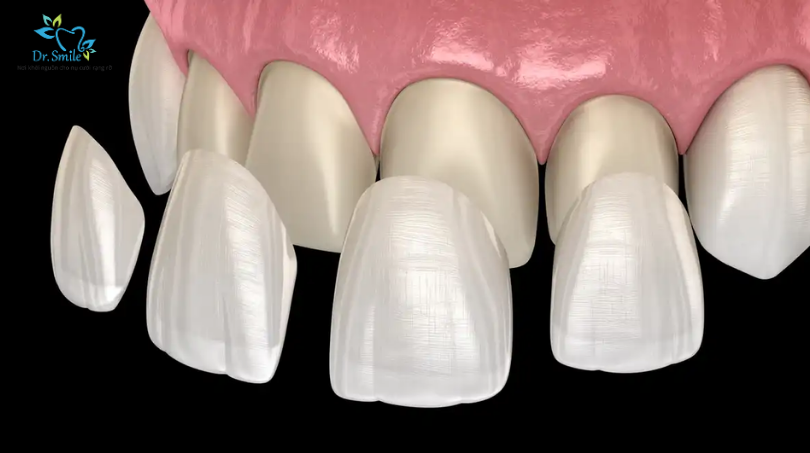
Traditional porcelain veneers often require the removal of a thin layer of enamel to create space for the restoration and achieve a natural fit. Because enamel does not regenerate, this change is generally irreversible. Patients should therefore consider veneers a long-term commitment rather than a temporary beauty treatment.
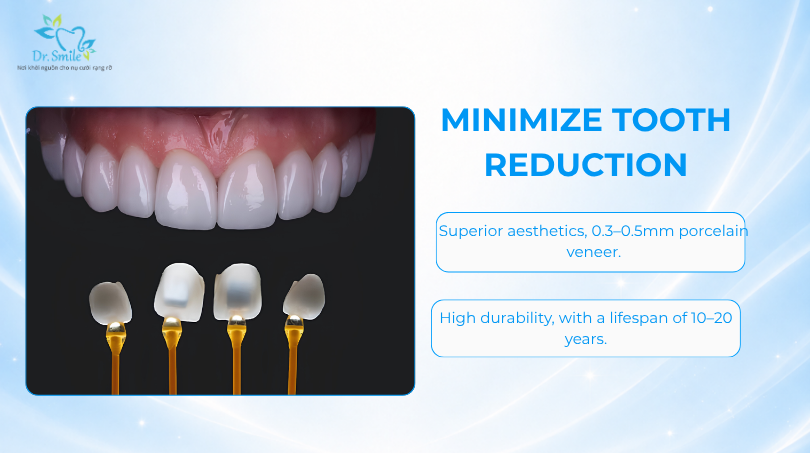
Depending on the condition of the teeth and the proposed technique, some cases may require minimal preparation. However, not every patient qualifies for a minimal-preparation or no-preparation approach.
A dentist should assess several factors before recommending treatment:
- The thickness and condition of existing enamel.
- The presence of cavities, gum inflammation, or other oral health problems.
- The patient’s bite and the amount of pressure placed on the front teeth.
- Habits such as teeth grinding, nail biting, or chewing hard objects.
- The patient’s expectations regarding tooth shape, color, and overall appearance.
Who should be more cautious?
People with untreated tooth decay, active gum disease, significant enamel loss, or severe teeth grinding may face additional challenges. Veneers may also be unsuitable for patients whose teeth are already weakened or whose bite places excessive stress on the restorations.
For these reasons, a porcelain veneers risks Hanoi dentist consultation should begin with a comprehensive examination rather than an immediate commitment to cosmetic treatment. In some cases, treating existing dental problems first or considering alternatives such as orthodontics or professional whitening may provide a more appropriate solution.
What are the possible risks or side effects to know about?
Understanding porcelain veneers risks helps patients prepare for treatment with realistic expectations. Although many people have successful outcomes, veneers can cause sensitivity, experience damage, or require replacement over time.
Tooth sensitivity after preparation
Some patients experience temporary sensitivity to cold, heat, or sweet foods after enamel preparation and bonding. This may improve as the teeth adjust, but persistent or severe sensitivity should not be ignored.
The degree of sensitivity can depend on the amount of enamel removed, the condition of the underlying tooth, and individual responses to treatment. Patients should contact their dentist if discomfort continues, becomes worse, or interferes with eating.
Chipping, cracking, or debonding
Porcelain is designed to withstand normal biting forces, but it is not indestructible. Veneers may chip, crack, or detach when exposed to excessive pressure, accidental trauma, or habits such as biting fingernails and chewing hard objects.
Patients who grind their teeth at night may have a greater risk of veneer damage. A dentist may recommend a custom night guard to protect the restorations, although its effectiveness depends on consistent use and appropriate fit.
Gum irritation and aesthetic concerns
Poorly designed or improperly fitted veneers may contribute to gum irritation, plaque accumulation, or difficulty maintaining oral hygiene. If the edges do not fit properly, the surrounding tissues may become uncomfortable or inflamed.
Aesthetic dissatisfaction is another possible concern. Veneers that appear too opaque, bulky, bright, or uneven may not match the patient’s facial features or natural teeth. Color selection, tooth proportions, and communication during treatment planning all influence the final result.
Irreversible changes and future replacement
One of the most important porcelain veneers risks Hanoi dentist professionals should explain is that conventional veneers usually involve permanent enamel alteration. If a veneer later needs replacement, the patient may need another restoration rather than simply returning to the original untreated tooth.
Veneers can also develop problems beneath or around their edges, including tooth decay if oral hygiene is inadequate. In some circumstances, the underlying tooth may require additional treatment.
Patients should seek prompt dental advice if they notice persistent pain, swelling, a loose veneer, a sudden bite change, or a visible crack. These symptoms require assessment rather than an attempt to repair the restoration at home.
How can these risks be minimized with proper care?
While no cosmetic dental procedure is completely risk-free, appropriate planning and consistent maintenance can reduce many avoidable complications. A reliable porcelain veneers risks Hanoi dentist approach should address both the quality of the initial treatment and the patient’s long-term habits.
Start with an individualized treatment plan
A thorough examination helps identify conditions that could affect the outcome. Your dentist may evaluate your gums, enamel, bite, existing restorations, and signs of grinding before discussing suitable options.
Digital photographs, dental imaging when clinically indicated, and mock-ups may help patients understand the proposed changes. These tools support planning but do not eliminate every risk or guarantee a particular aesthetic result.
Before proceeding, ask whether veneers are necessary or whether a less invasive alternative could achieve your goals. Professional whitening, bonding, or orthodontic treatment may be worth considering depending on the concern.
Protect your veneers through everyday habits
After treatment, good oral hygiene remains essential. Veneers do not protect the underlying teeth from decay or prevent gum disease.
Helpful daily habits include:
- Brush twice daily with a soft-bristled toothbrush and fluoride toothpaste.
- Clean between your teeth every day using floss or another suitable interdental aid.
- Avoid biting ice, opening packaging with your teeth, or chewing unusually hard objects.
- Wear a dentist-recommended night guard if you grind or clench your teeth.
- Attend regular dental checkups to monitor the veneers, gums, and underlying teeth.
Patients should also remember that porcelain does not respond to whitening treatments in the same way as natural enamel. If color changes in the surrounding teeth are a concern, discuss this before selecting the final veneer shade.
Keep follow-up appointments
Regular reviews allow a dentist to identify small problems before they become more serious. The recommended interval depends on individual oral health, bite conditions, and restoration needs.
For patients researching porcelain veneers risks Hanoi dentist services, it is worth asking what follow-up care is available and how concerns will be handled after treatment. Long-term maintenance should be part of the treatment discussion, not an afterthought.
What questions should you ask your dentist beforehand?
An informed patient is better equipped to balance aesthetic goals with long-term oral health. Instead of focusing exclusively on price or before-and-after photographs, use the consultation to understand the procedure, its limitations, and the responsibilities involved.
Consider asking your dentist these questions:
- Am I a suitable candidate? Ask whether your enamel, gums, and bite are healthy enough for veneers.
- How much enamel will need to be removed? Request a clear explanation of whether the proposed preparation is reversible.
- What alternatives are available? Find out whether bonding, whitening, orthodontics, or another treatment could address your concerns.
- What complications are most relevant to my case? Ask about sensitivity, grinding, fractures, gum health, and possible future repairs.
- How will you plan the shape and shade? Discuss how the final appearance will complement your natural teeth and facial features.
- What happens if a veneer breaks or becomes loose? Understand the options for repair, replacement, and additional treatment.
- What maintenance will I need? Clarify checkup schedules, home-care instructions, and whether a night guard is advisable.
- What does the quoted cost include? Ask about consultation fees, temporary restorations if needed, follow-up visits, and potential additional procedures.
For international patients visiting Hanoi, practical planning matters too. Confirm how many appointments may be required, how long treatment is expected to take, and whether follow-up can be arranged if you return home shortly afterward.
A trustworthy porcelain veneers risks Hanoi dentist consultation should welcome these questions and explain the answers in language you can understand. Patients should never feel pressured to proceed before they are comfortable with the risks, costs, and expected outcomes.
Transparent, risk-aware veneer care at Dr. Smile in Hanoi
Choosing porcelain veneers should be a considered healthcare decision, not simply a quick cosmetic upgrade. At Dr. Smile in Hanoi, patients exploring smile enhancement should prioritize a personalized assessment, clear communication, and a treatment plan that reflects their individual dental condition.

When discussing porcelain veneers risks Hanoi dentist options with Dr. Smile, patients can use the consultation to explore their aesthetic goals, understand the limitations of veneers, and ask about suitable alternatives. An appropriate plan should account for gum health, remaining enamel, bite function, and the practical requirements of long-term maintenance.
For local residents, expatriates, and international visitors, transparency is particularly important. Patients should receive clear explanations of the proposed procedure, the expected number of appointments, potential complications, and the costs involved. They should also understand what to do if sensitivity, discomfort, or restoration damage occurs after treatment.
Ultimately, the goal is not simply to create a whiter smile. It is to find an approach that balances appearance, function, and the preservation of natural teeth.
If you are considering porcelain veneers in Hanoi, arrange a consultation with Dr. Smile to discuss your concerns and determine whether veneers are appropriate for your needs. Understanding porcelain veneers risks Hanoi dentist recommendations before treatment can help you make a more confident, informed decision and prepare for responsible long-term dental care.
DR.SMILE DENTAL CLINIC
Address: No. 41 Nui Truc Street, Giang Vo Ward, Hanoi City, Vietnam
Hotline:0966692286
Email: drsmile.vn@gmail.com
Facebook: facebook.com/www.Dr.Smile
Website: drsmiledentalcare.com
Instagram: instagram.com/drsmilevn