
Tooth pain can become difficult to ignore, especially when it is caused by an infection deep inside the tooth. In these situations, root canal treatment can help remove the infected tissue, preserve the natural tooth, and restore comfortable oral function. For patients looking for a Root canal treatment Hanoi dentist, understanding the procedure, symptoms, treatment stages, and aftercare can make the dental experience much easier to manage.
When might a root canal be necessary?
Not every toothache requires root canal therapy. However, certain symptoms may indicate that the pulp has become seriously inflamed or infected. A dental examination, together with appropriate diagnostic imaging, is normally needed to determine whether root canal treatment is appropriate.
Common signs can include:
- Persistent or severe toothache
- Increased sensitivity to hot or cold foods and drinks
- Pain when biting or chewing
- Swelling around the affected tooth
- Tenderness in the surrounding gum
- A darkened or discolored tooth
- A recurring pimple or abscess on the gum
- Pain that continues after hot or cold stimulation has stopped
Sometimes, a tooth with significant pulp damage may cause surprisingly little pain. This is why regular dental examinations remain important, particularly when there is a history of deep cavities, previous dental work, or trauma.

For patients searching for a root canal treatment Hanoi dentist, an initial consultation can help identify the underlying cause of dental discomfort instead of simply treating the visible symptoms.
How does root canal treatment work?
Root canal therapy focuses on removing infected or damaged pulp from inside the tooth. The dentist then cleans and disinfects the root canal system before sealing it to help prevent further bacterial contamination.
Although the exact procedure varies depending on the tooth and the complexity of the infection, treatment generally involves several stages:
- Examination and diagnosis: The dentist evaluates the tooth, discusses symptoms, and may take dental X-rays or other diagnostic images. This helps determine the condition of the root and surrounding bone.
- Local anesthesia: Local anesthesia is used to numb the affected area. The purpose is to keep the procedure as comfortable as possible while the dentist works inside the tooth.
- Access to the pulp: A small opening is made in the tooth to provide access to the infected or inflamed pulp chamber and root canals.
- Cleaning and shaping: Damaged pulp tissue is removed, and the canals are carefully cleaned and shaped. This stage is important for eliminating bacteria and preparing the canals for sealing.
- Sealing the canals: After cleaning, the canals are filled and sealed with appropriate dental materials. Proper sealing helps reduce the possibility of bacteria entering the treated area again.
- Restoration of the tooth: Depending on the amount of tooth structure remaining, the dentist may recommend a filling, dental crown, or another restoration. A strong final restoration helps protect the tooth from fracture and allows normal chewing function.
The number of appointments depends on factors such as the location of the tooth, the severity of infection, the complexity of the root canals, and the patient’s individual circumstances.
What can you expect after the procedure?
Some tenderness or mild discomfort may occur after root canal treatment. This is often temporary and can improve as the surrounding tissues recover. Patients should follow the dentist’s specific instructions and avoid putting excessive pressure on the treated tooth until the final restoration has been completed.

After treatment, it is useful to:
- Maintain regular brushing and flossing
- Avoid chewing very hard foods on the treated tooth until it is fully restored
- Follow prescribed medication instructions if applicable
- Attend the recommended follow-up appointment
- Contact the dental clinic if severe or persistent pain, swelling, or other unusual symptoms develop
A root canal does not mean that the tooth has been removed or replaced. Instead, the procedure is intended to preserve the natural tooth by treating the infected tissue inside it. With appropriate restoration and oral hygiene, a treated tooth can continue functioning as part of the natural smile.
For anyone considering a root canal treatment Hanoi dentist, discussing the expected recovery period and restoration options during the consultation can provide a clearer understanding of the complete treatment plan.
Factors that can affect root canal treatment
Every root canal case is different. The condition of the tooth, its location, the number and shape of the canals, and the extent of infection can all influence treatment complexity.
Several factors may be considered during diagnosis:
- Tooth location: Molars often have multiple canals and can require more detailed treatment than front teeth.
- Extent of infection: A more advanced infection may require additional treatment or monitoring.
- Root canal anatomy: Narrow, curved, or complicated canals can make the procedure more technically demanding.
- Existing restorations: Previous crowns, fillings, or dental treatments may affect access to the canals.
- Remaining tooth structure: The amount of healthy tooth structure influences the type of restoration needed afterward.
- Overall oral condition: Gum health, neighboring teeth, and other dental problems may also be considered.
Because of these variables, patients should be cautious about comparing treatment costs based only on advertised prices. A professional assessment provides more useful information about the actual treatment required.

When looking for a root canal treatment Hanoi dentist, patients can discuss the diagnosis, treatment stages, estimated appointments, restoration requirements, and aftercare instructions before proceeding.
Maintaining your smile after root canal therapy
Root canal treatment addresses infection inside the tooth, but long-term oral care remains essential. The treated tooth should still be cleaned regularly because bacteria can accumulate around the gums and neighboring teeth.
A consistent routine can include:
- Daily oral hygiene: Brush twice a day with fluoride toothpaste and clean between the teeth regularly.
- Routine dental examinations: Professional checkups allow dentists to monitor the treated tooth and identify new problems at an early stage.
- Protective restoration: If a crown is recommended, completing the restoration can provide additional protection for a weakened tooth.
- Healthy eating habits: Limiting frequent sugary snacks and drinks can help reduce the risk of new cavities.
- Prompt attention to symptoms: New swelling, persistent discomfort, or sensitivity around a previously treated tooth should be evaluated rather than ignored.
Choosing an experienced root canal treatment Hanoi dentist can be an important part of receiving appropriate diagnosis, treatment, and follow-up care. The goal is not simply to eliminate pain but also to preserve the function and structure of the natural tooth whenever possible.
Trusted dental care at Dr. Smile
For patients searching for reliable dental care in Hanoi, Dr. Smile provides professional support in a comfortable and modern clinical environment. The clinic focuses on accurate diagnosis, personalized treatment planning, and patient-focused care for a wide range of dental concerns, including root canal treatment. Each consultation is designed to help patients understand their condition and available treatment options clearly.
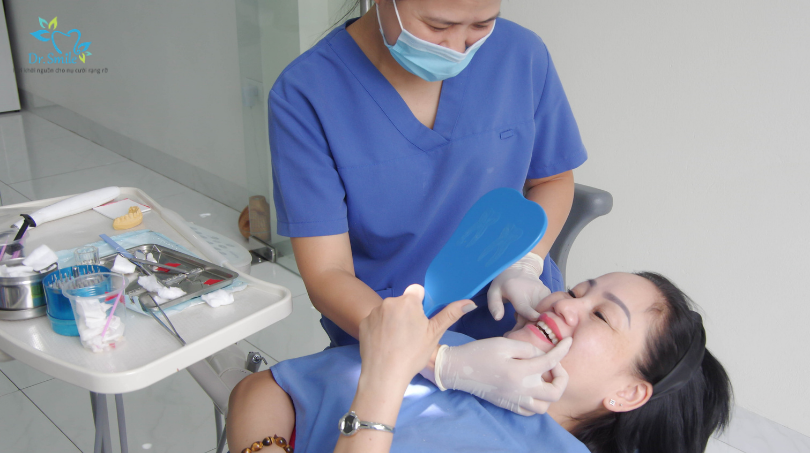
Key aspects of dental care at Dr. Smile include:
- Professional dental examination and diagnosis
- Modern equipment and treatment techniques
- Personalized treatment plans
- Root canal and restorative dental services
- Clear communication throughout the treatment process
- Follow-up guidance to support long-term oral health
With a focus on quality and patient comfort, Dr. Smile can be a practical destination for those seeking dependable dental care in Hanoi.
Choosing the right dental care is essential when dealing with an infected or damaged tooth. With professional diagnosis, appropriate root canal treatment, and proper aftercare, patients can protect their natural teeth and maintain a healthy smile. Dr. Smile offers comprehensive dental support for patients seeking reliable care in Hanoi.
DR.SMILE DENTAL CLINIC
Address: No. 41 Nui Truc Street, Giang Vo Ward, Hanoi City, Vietnam
Hotline:0966692286
Email: drsmile.vn@gmail.com
Facebook: facebook.com/www.Dr.Smile
Website: drsmiledentalcare.com
Instagram: instagram.com/drsmilevn