
This traveling Vietnam dental treatment guide is designed for patients who want to understand the practical details before booking a flight. From preparing dental records and comparing treatment plans to estimating appointment schedules, careful planning can make the experience more manageable.
For anyone considering treatment in Hanoi, this traveling Vietnam dental treatment guide also explains how to coordinate appointments with a clinic such as Dr. Smile, communicate expectations, and make informed decisions about treatment and follow-up care.
Why do international patients travel to vietnam for dental care?
One of the main reasons international patients consider Vietnam is the opportunity to explore different treatment options while experiencing a new destination. Depending on the clinic, available services may include preventive dentistry, fillings, crowns, veneers, dental implants, and other restorative or cosmetic procedures.
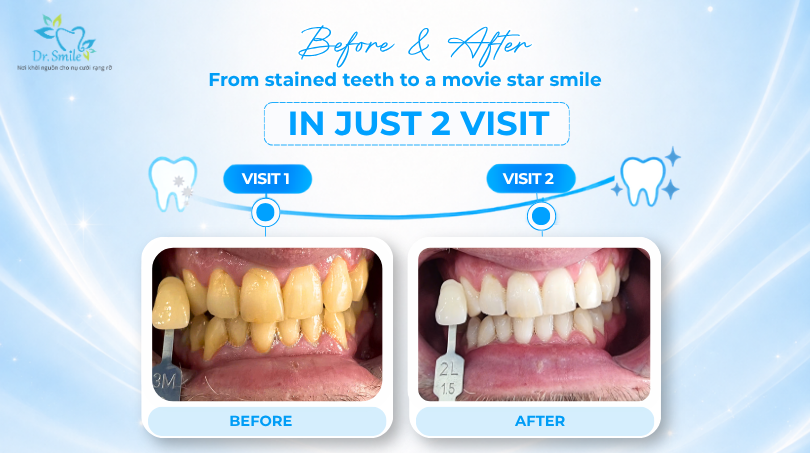
>>See more: Dr.Smile dental care
However, traveling Vietnam dental treatment guide research should go beyond comparing advertised prices. A treatment’s total cost can include consultations, diagnostic imaging, laboratory work, temporary restorations, medication, accommodation, transport, and follow-up visits. Understanding these expenses in advance helps patients create a realistic budget.
Comparing treatment costs and value
Dental fees vary according to clinical complexity, materials, technology, and the dentist’s expertise. A low initial quotation may not cover every stage of treatment, so patients should request an itemized estimate.
Before making a decision, ask the clinic:
- What procedures are included in the quoted price?
- Are X-rays, scans, laboratory fees, and temporary restorations included?
- Could additional treatment be necessary after an examination?
- What happens if the treatment takes longer than expected?
- Are follow-up appointments and adjustments included?
A practical traveling Vietnam dental treatment guide encourages patients to compare the complete treatment plan rather than focusing exclusively on the lowest price.
Balancing dental care with travel experiences
Hanoi offers international visitors a combination of historic streets, local cuisine, cultural attractions, and modern services. Patients may be able to enjoy some sightseeing around their appointments, depending on the treatment they receive.
Nevertheless, dental care should remain the priority. Major procedures may involve discomfort, swelling, dietary restrictions, or several days of recovery. Scheduling strenuous excursions immediately after treatment can create unnecessary stress.
The most useful approach is to build a flexible itinerary with sufficient time for consultations, treatment, recovery, and possible adjustments.
What should you prepare before your trip?
Preparation begins before purchasing flights. A traveling Vietnam dental treatment guide should help patients establish what can be arranged remotely and what requires an in-person examination.
Collect your dental records
If you have previous X-rays, dental scans, treatment summaries, or information about existing restorations, ask your current dentist for copies. These records may help a Vietnamese clinic understand your dental history and provide an initial assessment.
For patients considering implants, veneers, or crowns, relevant records can help the dental team identify questions that need further investigation. However, remote assessments cannot replace a comprehensive examination, and the final treatment plan may change after diagnostic imaging or clinical evaluation.
Prepare a short list of your concerns, including pain, sensitivity, missing teeth, cosmetic preferences, or previous dental complications. If you take medication or have allergies that may affect treatment, share the relevant information confidentially with your treating dentist.
Confirm the treatment plan and timeline
Before traveling, request written information about the proposed procedures, estimated costs, expected appointment schedule, and potential alternatives. Ask whether the treatment can reasonably be completed during one visit or whether multiple trips may be necessary.

This is particularly important for implant treatment, which often involves a healing period before the final restoration can be placed. Some patients may need bone grafting or other preparatory procedures, extending the overall timeline.
A well-prepared traveling Vietnam dental treatment guide should also account for practical arrangements:
- Travel documents: Check passport validity, entry requirements, and visa arrangements for your nationality.
- Accommodation: Choose somewhere convenient for clinic visits and suitable for resting after treatment.
- Communication: Confirm appointment times, the clinic’s contact details, and how to request assistance.
- Budget: Allow extra funds for unexpected clinical needs, additional nights, or itinerary changes.
- Travel insurance: Review coverage carefully, as planned dental treatment and complications may be excluded.
Avoid making non-refundable travel arrangements until you understand the likely treatment schedule and remaining clinical uncertainties.
How many days should you plan for treatment?
The right length of stay depends on the procedure, your oral health, and the dentist’s recommendations. There is no universal schedule that works for every international patient.
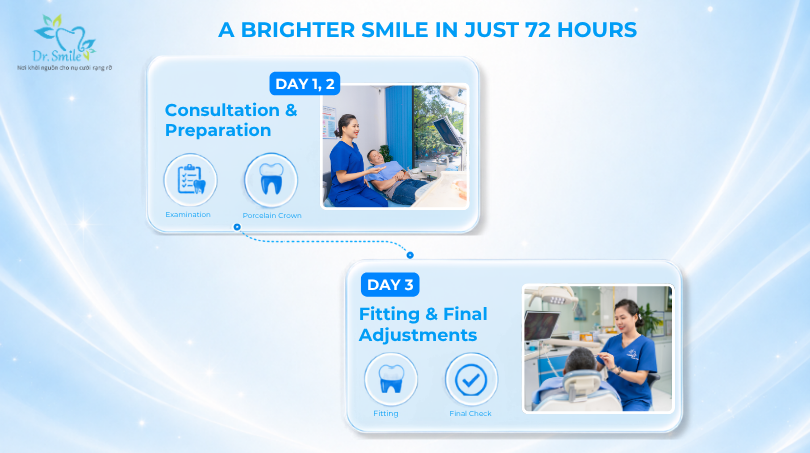
A traveling Vietnam dental treatment guide can provide a starting point, but your clinic should confirm the likely timeline after reviewing your records and examining your teeth.
Estimating your stay by procedure
- Routine examinations and preventive care: A checkup or professional cleaning may be completed within a short visit, although additional appointments may be recommended if the dentist identifies problems requiring attention.
- Fillings and straightforward restorative procedures: Some treatments can be completed in one appointment. More complex cases may require additional visits, particularly when several teeth need attention.
- Crowns and veneers: These treatments commonly involve assessment, tooth preparation where appropriate, impressions or digital scans, laboratory production, and final fitting. The schedule depends on the case, laboratory arrangements, and whether temporary restorations are needed.
- Dental implants: Implant treatment usually requires careful planning and may involve several stages separated by healing periods. The implant placement and final crown are not always completed during the same trip.
These examples are planning references rather than guaranteed treatment durations. Your dentist must determine what is clinically appropriate.
Build recovery time into your itinerary
Patients sometimes plan every day around sightseeing and appointments, leaving little room for unexpected delays. A better strategy is to keep the first day relatively flexible for consultation and diagnostics, schedule treatment according to the clinic’s advice, and reserve time afterward for recovery or reassessment.
Before booking your return flight, ask whether the dentist expects a review appointment and whether flying is appropriate following your particular procedure. There is no single waiting period that applies to every dental treatment.
A realistic traveling Vietnam dental treatment guide treats flexibility as an essential part of the schedule, not an optional extra. If your procedure requires several stages, consider whether returning to Vietnam or arranging coordinated follow-up care at home is feasible.
What support does a clinic typically offer international patients?
For overseas patients, clinical quality matters, but so does the ability to understand each stage of care. Clear communication can reduce uncertainty and help patients make decisions without feeling rushed.
Depending on its services, a clinic may assist international patients with appointment coordination, preliminary record review, treatment estimates, language support, and explanations of post-treatment instructions. Patients should confirm which services are actually available instead of assuming that every clinic offers the same arrangements.
Communication before and during treatment
Before arrival, ask how the clinic handles remote enquiries and whether an English-speaking team member can explain the proposed treatment. Request written details about appointments, fees, payment arrangements, and possible changes to the treatment plan.
During the consultation, the dentist should explain the diagnosis, available options, expected benefits, limitations, risks, and alternatives. Patients should have an opportunity to ask questions and understand the plan before consenting to treatment.

A useful traveling Vietnam dental treatment guide also recommends asking who to contact if discomfort develops after leaving the clinic. Clarify the process for urgent advice, follow-up appointments, and obtaining copies of clinical records.
Understanding aftercare and long-term responsibility
Aftercare is especially important when patients return home shortly after treatment. Ask for written instructions covering oral hygiene, eating, medication where prescribed, warning signs, and the recommended review schedule.
For complex procedures, discuss how care will be coordinated if a problem develops after you return home. Your dentist in Vietnam may recommend a local dental professional for follow-up, but arrangements and responsibilities should be agreed upon rather than assumed.
Patients should also ask what any warranty or treatment guarantee covers, including exclusions, time limits, and whether return visits are required. A guarantee is not a substitute for appropriate clinical care or a promise that complications cannot occur.
The most helpful international patient support combines practical coordination with honest clinical communication. It allows patients to understand their options and make decisions based on their individual needs.
Plan your dental trip to Hanoi with Dr. Smile
Planning dental treatment abroad involves more than selecting a destination. Patients need to connect clinical priorities with realistic travel arrangements, a suitable recovery period, and a clear understanding of costs.
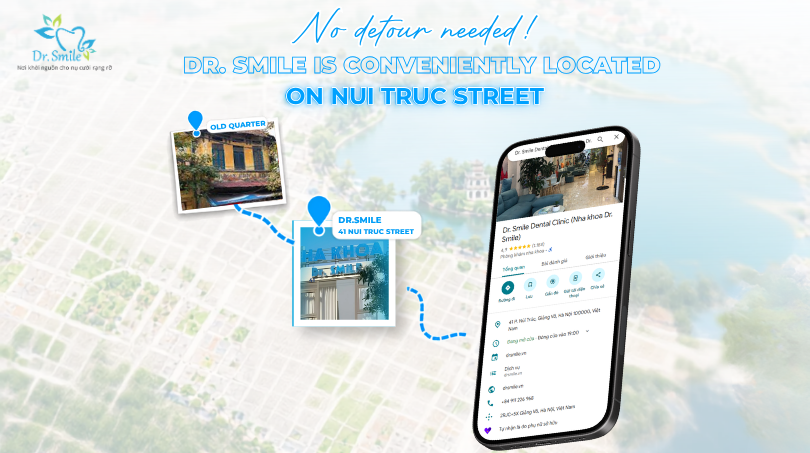
Dr. Smile in Hanoi can be a starting point for patients researching dental services in the city. Prospective patients should contact the clinic directly to confirm available treatments, consultation arrangements, language support, current fees, and the information needed for an initial assessment.
When using this traveling Vietnam dental treatment guide to prepare for a consultation with Dr. Smile, consider taking the following steps:
- Describe your goals: Explain whether you need preventive care, restorative treatment, cosmetic improvements, or an assessment of a specific dental concern.
- Share relevant records: Provide available X-rays, scans, and previous treatment information for preliminary review.
- Request a written estimate: Ask for an itemized breakdown and clarification of any costs that may arise during treatment.
- Confirm the schedule: Establish which procedures may be completed during your stay and which require additional visits or healing time.
- Discuss aftercare: Understand the recovery instructions, review appointments, and options for assistance after returning home.
Patients should avoid committing to irreversible cosmetic or restorative procedures based solely on photographs or remote estimates. An in-person examination is essential to determine whether a proposed treatment is appropriate.
Ultimately, the best traveling Vietnam dental treatment guide is one that puts your health, informed consent, and long-term oral care ahead of a tightly packed travel itinerary. With careful preparation and direct communication with Dr. Smile, international patients can approach dental treatment in Hanoi with clearer expectations and a more organized plan for their visit.
DR.SMILE DENTAL CLINIC
Address: No. 41 Nui Truc Street, Giang Vo Ward, Hanoi City, Vietnam
Hotline:0966692286
Email: drsmile.vn@gmail.com
Facebook: facebook.com/www.Dr.Smile
Website: drsmiledentalcare.com
Instagram: instagram.com/drsmilevn