The growing interest in Vietnam vs Australia dental tourism reflects a broader change in how patients approach dental care. Today, international patients are not simply looking for lower prices. They want transparent treatment plans, modern clinical facilities, personalized communication, and convenient access to dental services while traveling.
Vietnam has become a destination that attracts patients seeking a combination of dental treatment and travel experiences. Hanoi, in particular, offers an established urban healthcare environment, a wide range of accommodation options, international dining, and cultural attractions that visitors can explore around their appointments.
Why do Australian patients consider traveling abroad for dental care?
Australia has an established dental healthcare system, but dental expenses can be a significant consideration for patients who need extensive restorative or cosmetic work. Depending on their insurance arrangements and eligibility for public services, individuals may face substantial out-of-pocket expenses.
>>See more: https://www.drsmiledentalcare.com/about-us/
This is one reason Vietnam vs Australia dental tourism attracts attention among Australians researching treatment alternatives.
Procedures such as crowns, veneers, dental implants, and full-mouth rehabilitation may involve multiple appointments and considerable costs. Patients who receive limited dental benefits through private health insurance may want to compare treatment plans in other countries before committing to a procedure.
Nevertheless, price is only one part of the decision.
Modern patients increasingly research their options online before contacting a clinic. They may compare dentist credentials, read independent reviews, request preliminary consultations, and ask for itemized quotations. They also want to understand how long treatment will take and whether additional procedures might be necessary after an examination.
For Australians considering Vietnam, the main questions often include:
- Will the treatment plan address my actual dental condition?
- Can the dentist explain the procedure and its potential risks clearly?
- How many days or visits will treatment require?
- What happens if a crown, veneer, or implant needs attention after I return home?
- Will the total cost remain reasonable after flights, accommodation, and follow-up expenses?
These questions demonstrate why Vietnam vs Australia dental tourism should be evaluated as a complete healthcare decision rather than a simple comparison of advertised prices.
Traveling abroad may suit patients with suitable treatment plans and flexible schedules. However, urgent dental problems, complex medical needs, and treatments requiring frequent adjustments may be more practical to manage close to home.
How do treatment costs compare between Vietnam and Australia?
Cost is often a major consideration in the Vietnam vs Australia dental tourism discussion. Vietnam generally has lower operating and labor costs than Australia, which can contribute to differences in dental treatment prices. However, the actual price depends on the procedure, materials, clinical complexity, and individual clinic.
The following table provides a general comparison of the factors patients should investigate.
| Consideration | Vietnam | Australia |
| Consultation and examination | May be more affordable | Varies by clinic and location |
| Crowns and veneers | Potentially lower fees | Can involve higher out-of-pocket costs |
| Dental implants | May offer lower quoted treatment fees | Can be a substantial investment |
| Flights and accommodation | Additional expenses for overseas patients | Usually unnecessary for local patients |
| Follow-up appointments | May require another international trip | Generally easier to arrange locally |
| Treatment complications | Could involve extra travel and treatment costs | Easier to access a local provider |
These differences are general observations, not guaranteed savings. Patients should request current, itemized quotations from clinics in both countries before making a financial decision.
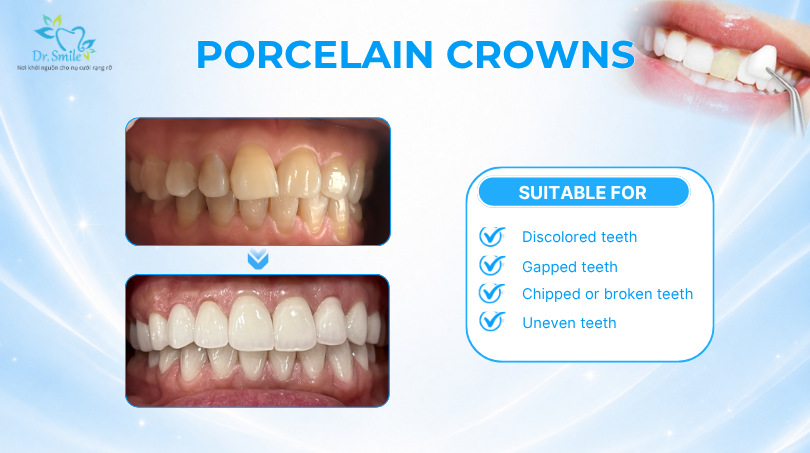
For example, an implant quotation may cover only the implant fixture, while another package may include consultation, imaging, the abutment, and the final crown. Comparing these quotations without checking what is included can create a misleading impression of value.
A comprehensive cost calculation should include:
- Initial consultation and diagnostic imaging.
- The dentist’s professional fees and laboratory charges.
- Materials, temporary restorations, and any necessary preparatory treatment.
- Flights, accommodation, meals, and local transportation.
- Possible additional appointments or an extended stay.
- Follow-up care and the cost of addressing potential complications in Australia.
Australian patients should also check their private health insurance policy before traveling. Overseas treatment is not necessarily covered, and reimbursement rules can vary.
Ultimately, the financial appeal of Vietnam vs Australia dental tourism depends on the complete treatment plan and the patient’s circumstances. A lower initial quotation is valuable only when the proposed care is appropriate, the fees are transparent, and the long-term costs remain manageable.
How do quality of care and technology compare?
A common misconception in Vietnam vs Australia dental tourism is that treatment quality can be determined by the country alone. In reality, clinical outcomes depend on several factors, including the dentist’s training, diagnostic accuracy, treatment planning, materials, laboratory standards, infection control, and aftercare.
Both Australia and Vietnam have dental professionals working in modern clinical environments. However, equipment, experience, and service standards can differ between individual providers in either country.
Australian patients researching a clinic in Hanoi should look beyond photographs of its interior or promotional claims about advanced technology.
Technology and treatment planning
Digital dental X-rays, three-dimensional imaging where clinically indicated, intraoral scanners, and digital treatment-planning systems can support diagnosis and communication. These technologies may help dentists evaluate a patient’s condition and plan certain procedures more precisely.
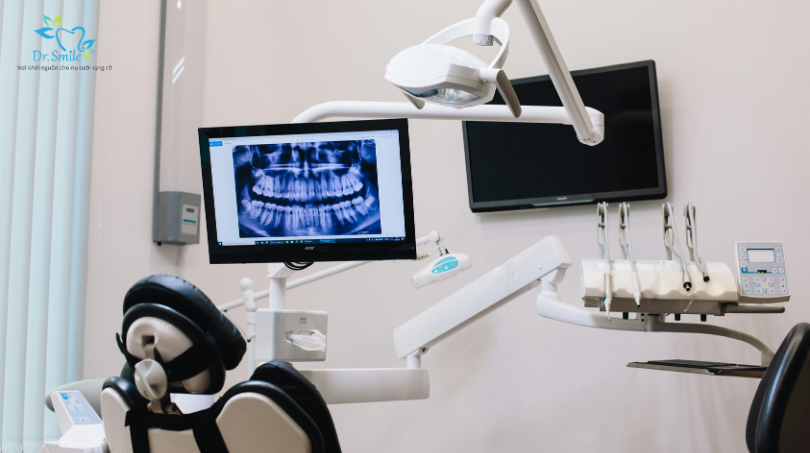
However, technology alone does not guarantee a successful outcome. The dentist must interpret diagnostic findings correctly and determine whether a proposed procedure is suitable.
Dentist qualifications and experience
Patients should verify the treating dentist’s qualifications, professional registration where applicable, and experience with the specific procedure being considered. Someone seeking veneers, for example, should ask about enamel preservation, bite assessment, realistic aesthetic expectations, and the management of complications.
For implants, questions should cover bone assessment, the possibility of bone grafting, healing time, implant components, and long-term maintenance.
Materials and laboratory standards
Patients considering crowns or veneers should ask about the proposed material, its manufacturer, laboratory arrangements, and the restoration’s expected maintenance requirements. Before-and-after photographs can help illustrate a dentist’s previous work, but they cannot guarantee the same result for another patient.
Communication and informed consent
International patients need clear explanations of treatment alternatives, expected benefits, limitations, risks, and total costs. A trustworthy clinic should welcome questions and allow patients sufficient time to make informed decisions.
When comparing Vietnam vs Australia dental tourism, evaluate each clinic against the same criteria. The goal is to identify a provider whose clinical standards and treatment approach match your needs, rather than assuming that a lower fee or a more expensive service automatically indicates better quality.
What should Australian patients know before traveling to Vietnam?
Planning is essential when dental treatment takes place in another country. A well-organized trip should account for diagnosis, treatment duration, recovery, and the possibility that the original schedule may need to change.
Before booking flights, Australians exploring Vietnam vs Australia dental tourism should contact their chosen clinic and explain their dental concerns. Photographs and existing dental records may help with an initial discussion, although they cannot replace an in-person examination and appropriate diagnostic tests.
Consider the following preparation steps.
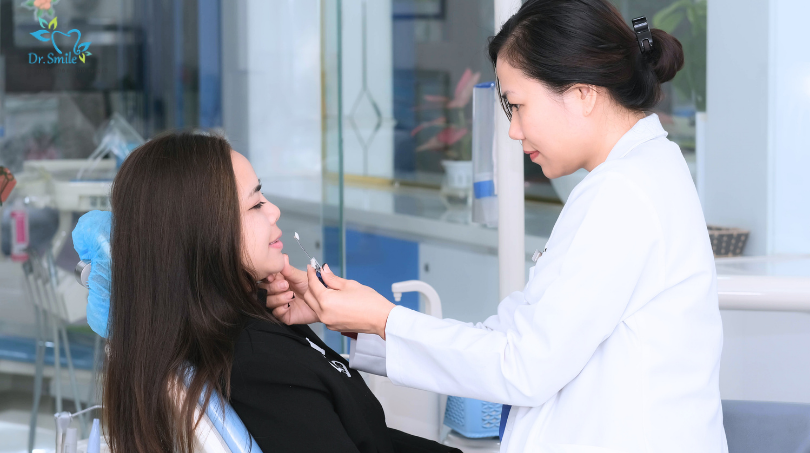
1. Request an individualized treatment plan
Ask the clinic to explain the proposed procedures, alternatives, estimated duration, and total fees. Confirm which recommendations are provisional and which decisions can only be made after an examination.
2. Allow sufficient time
A simple filling or consultation may require a different schedule from a crown, veneer, or implant procedure. Implant treatment can involve healing periods lasting several months, so a short holiday may not accommodate every stage.
Do not assume that every procedure can be completed during one visit. Ask whether temporary restorations, laboratory production, or additional appointments will be necessary.
3. Check travel and health considerations
Confirm passport and entry requirements through official Australian and Vietnamese government sources. Discuss relevant medical conditions, medications, allergies, and travel fitness with your healthcare professionals when appropriate.
For major dental procedures, ask your dentist about flying after treatment, postoperative symptoms, and the recommended recovery period.
4. Understand follow-up arrangements
Before treatment begins, establish how the clinic will communicate with you after you return to Australia. Ask for copies of X-rays, treatment notes, material details, prescriptions, and relevant records.
You should also identify a local Australian dentist who may be able to provide follow-up care if needed. Not every dentist will agree to manage work completed elsewhere, so discuss this possibility in advance.
5. Protect your budget and schedule
Compare the full cost of treatment and travel, not just the advertised procedure fee. Leave room in your itinerary for recovery or unexpected appointments, and avoid booking sightseeing activities immediately after invasive procedures.
These precautions help patients make a more informed decision about Vietnam vs Australia dental tourism while reducing avoidable uncertainty.
Discover why patients choose Dr. Smile in Hanoi, Vietnam
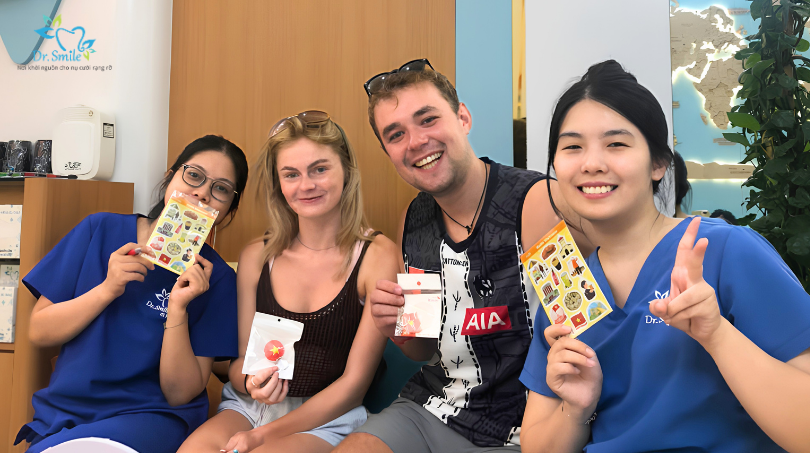
For Australian patients exploring Vietnam vs Australia dental tourism, finding a clinic that communicates clearly and develops treatment plans around individual needs is an important step. Dr. Smile in Hanoi provides a point of contact for international patients researching dental services in Vietnam.

The clinic’s patient-focused approach can be explored through consultations about preventive dentistry, restorative procedures, and cosmetic smile enhancement. Depending on the patient’s needs and clinical suitability, discussions may cover routine examinations, professional cleaning, crowns, veneers, dental implants, and other treatments.
Before proceeding, international patients should ask Dr. Smile about the dentist responsible for their care, the diagnostic process, available technology, treatment materials, estimated costs, and the expected number of visits. Patients should also confirm the clinic’s arrangements for English-language communication, medical records, and post-treatment support.
For cosmetic procedures, it is particularly important to discuss realistic expectations and tooth preservation. For restorative treatment, patients should understand the proposed solution, its alternatives, expected lifespan, and maintenance requirements.
Dr. Smile in Hanoi can be a starting point for Australians who want to investigate dental treatment in Vietnam while comparing their options carefully. Requesting a consultation and a written treatment estimate can help clarify whether the proposed care is appropriate for your circumstances.
The central message behind Vietnam vs Australia dental tourism is simple: a successful decision involves more than finding an attractive price. It requires sound clinical judgment, transparent communication, realistic scheduling, and a clear plan for long-term dental care.
By researching providers thoroughly and preparing for every stage of treatment, Australian patients can make a more informed choice between receiving dental care at home and traveling to Hanoi for treatment.
DR.SMILE DENTAL CLINIC
Address: No. 41 Nui Truc Street, Giang Vo Ward, Hanoi City, Vietnam
Hotline:0966692286
Email: drsmile.vn@gmail.com
Facebook: facebook.com/www.Dr.Smile
Website: drsmiledentalcare.com
Instagram: instagram.com/drsmilevn